Cranstonhill Nursery offers a powerful example of Froebelian philosophy lived through everyday practice. This reflection explores how relationships, trust, thoughtful environments and Grá shape a culture in which children and adults are supported to flourish.
At Cranstonhill Nursery, Froebelian philosophy is not displayed as a set of ideals; it is lived in the rhythm of everyday practice. It is visible in sustained concentration when a child carefully balances blocks, in shared discovery among peers, and in the intentional design of environments that support exploration, reflection, and independence. Froebelian principles here are neither abstract nor performative — they are enacted, interpreted, and sustained through daily relational practice.
As MSc Froebelian Pathways students, my colleagues and I understand ourselves as caretakers of Froebel's philosophy. Our role is not to preserve it rigidly, but to uphold its ethical integrity while allowing it to remain responsive and contextually alive. This stance resists prescriptive definitions of what is "truly Froebelian" and instead recognises practice as relational, evolving, and situated.
At Cranstonhill, knowledge is co-constructed. Children, families, and staff work as partners in sustaining and developing practice together. Froebelian principles inform interactions, environmental organisation, and ongoing reflective dialogue, creating a culture where curiosity, creativity, and care are consistently prioritised.
Living Theory, Not Displaying It
Engaging with practice at Cranstonhill has reinforced that Froebelian pedagogy is most powerful when principles are lived rather than merely cited. Theory is held with intention but enacted with flexibility.
This experience has deepened my understanding of patience, trust, and relational depth as central to meaningful learning. Froebelian practice is not about replication or certainty. It is about attentiveness, responsiveness, and sustained reflection.
Respecting Children as Capable Learners
Central to the nursery's ethos is profound respect for children as capable and self-motivated learners. Drawing on Friedrich Froebel's emphasis on self-activity, staff trust children to pursue their interests, make meaningful choices, and engage deeply in experiences of personal significance.
Secure relationships underpin this approach. Leadership recognises that emotionally supported adults are essential to responsive pedagogy, nurturing relational depth not only with children and families but also within the staff team. Professional dialogue and reflection are ongoing, supporting coherence and consistency in practice.
Staff actively engage with research to refine their understanding, demonstrating that Froebelian practice is not static but intellectually and ethically sustained.
The Environment as an Active Educator
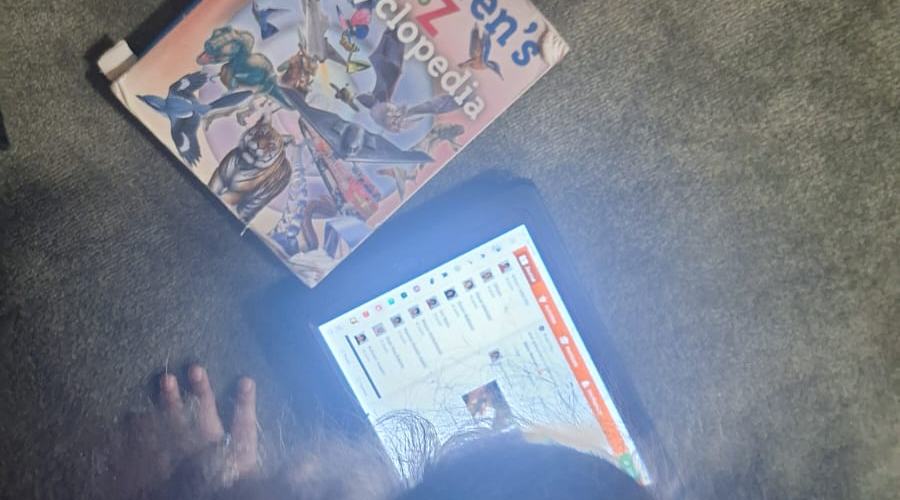
The learning environment functions as an active participant in children's development. At Cranstonhill, thoughtful curation of natural materials, open-ended resources, and ordered spaces communicates respect — both for children's agency and for the aesthetic coherence that supports deep engagement.
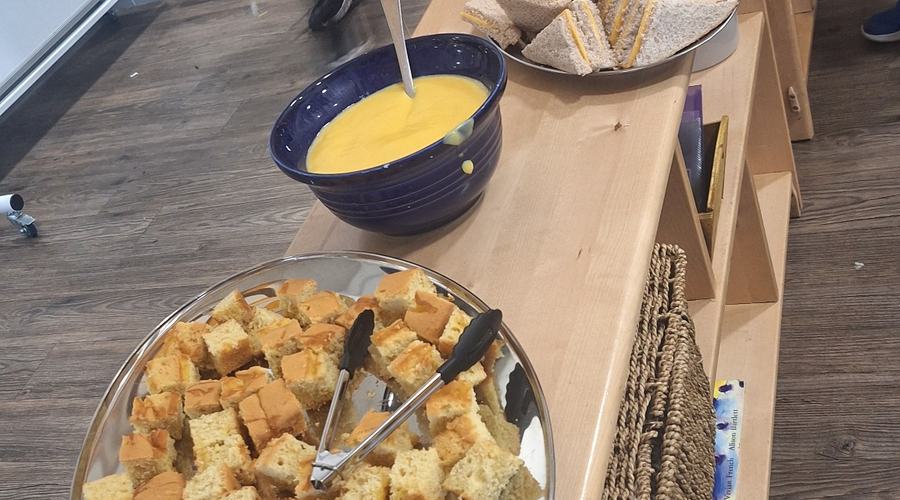
During lunchtime, children serve themselves in a dining space designed at their height, fostering independence, responsibility, and self-regulation. Although the room's high ceilings could risk impersonality, consistent rhythm and familiarity create calm belonging.
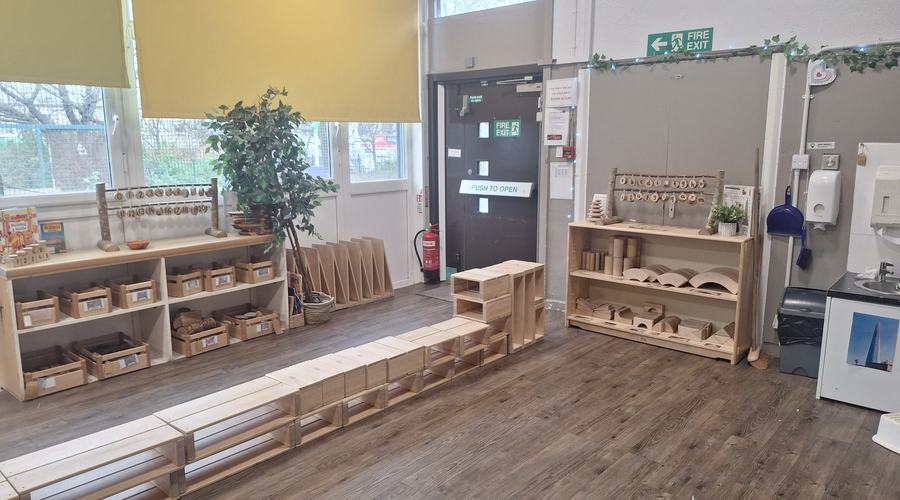
The large block area encourages exploration of balance, construction, and imaginative collaboration, complemented by quieter spaces for reflection. Observations regarding possible enhancements were welcomed by staff, who engaged in reflective dialogue and research. This openness illustrates the delicate balance between preserving autonomy and thoughtfully extending learning — a reminder that Froebelian practice remains dynamic and negotiated.
Outdoor Provision and Unhurried Exploration
Outdoor time is unhurried, allowing space for physical challenge, imaginative engagement, and sensory exploration.
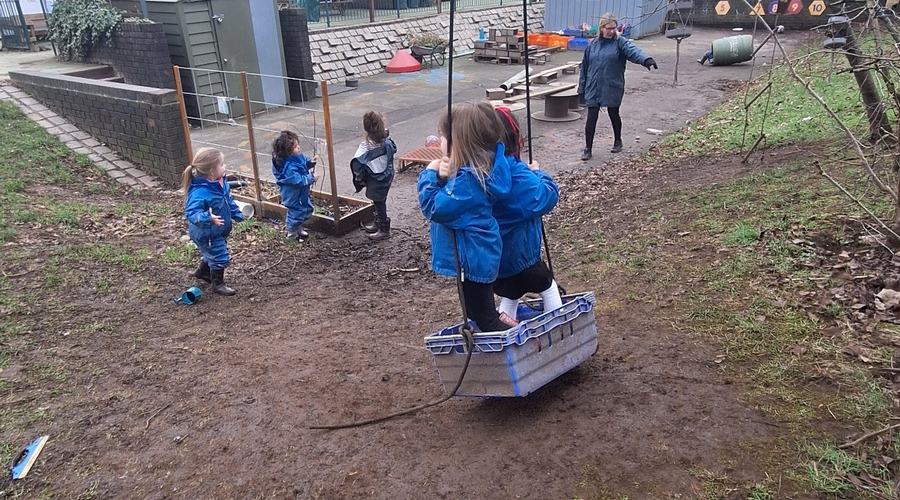
In one observed moment, a child removes her wellies to feel mud beneath her feet, while a practitioner remains present yet non-intrusive. In another, a child shares research on scorpions with peers and adults, who respond with genuine curiosity. These moments exemplify Froebel's commitment to self-activity, supported within emotionally attuned relationships.
Trust is similarly evident in everyday interactions, such as when children use the swing. Adults remain attentive, intervening only when invited. Across indoor and outdoor spaces, transitions — including preparation for primary school — are approached relationally and gradually, grounded in continuity and secure attachment.
Grá: An Ethical Orientation of Care
At the heart of Cranstonhill's practice is the concept of Grá — an Irish term encompassing love, care, attentiveness, and relational responsibility.
While Irish in origin, Grá resonates strongly within a Scottish context through shared understandings of belonging and relational care. Here, Grá is not treated as a cultural artefact but as an ethical orientation aligning closely with Froebelian principles and contemporary Froebelian thought.
This commitment informs:
- Environmental design
- Pedagogical interaction
- Professional dialogue
- Community belonging
Living Froebelian principles at Cranstonhill is therefore not confined to routines or methods. It is realised through relationships, reflection, and meaningful engagement — supporting a community in which both children and adults flourish.
References
References
- Bruce, T. (2012). Early childhood practice: Froebel today (5th ed.). Sage.
- Froebel, F. (1887). The education of man (W. N. Hailmann, Trans.). D. Appleton and Company.
- McNair, L. (2020). Froebelian principles in contemporary practice. Froebel Trust. https://www.froebel.org.uk
- McNair, L. (2021). Why Froebel? Froebel Trust. https://www.froebel.org.uk
- Tovey, H. (2020). Bringing the Froebel approach to your early years practice (2nd ed.). Routledge.